

Key Takeaways
- Nearsightedness makes distant items look blurry to you
- Farsightedness makes nearby objects hard for you to see
- Minus prescriptions help correct your nearsightedness
- Plus prescriptions help treat your farsightedness
- Age brings other natural vision changes like presbyopia
- Regular visits to a local eye clinic help protect your family vision
You might notice the television screen looks fuzzy from your couch during movie night. Alternatively, reading a restaurant menu can feel like a chore when the letters blur together. These common vision struggles often stem from how your eye shape bends light. The team at Eyecare for East Texas can evaluate your eyes to find out exactly what is happening.
The difference between farsightedness and nearsightedness comes down to where objects appear blurry, with farsightedness making near objects fuzzy and nearsightedness making distant objects hard to see. Both conditions relate to the physical length of your eyeball. Getting a simple eye exam can identify which type of vision correction can help you see clearly again.
The Basics of Nearsightedness & Farsightedness
How Nearsightedness Affects Your Vision
Your eyeball sometimes grows longer than usual from front to back. This extra length changes the physical shape of your eye and creates a condition doctors call myopia. Light rays end up landing in front of your retina instead of directly on it. Distant objects like street signs or theater screens look blurry to you when this happens. However, your near vision remains clear for close tasks like reading a book.
How Farsightedness Affects Your Vision
Sometimes your eyeball is shorter than usual. This shorter shape makes incoming light focus behind your retina rather than right on the sensitive surface. This issue leads to farsightedness or hyperopia. Nearby items like your phone screen or a sewing needle look blurry to you under these conditions. Your distant vision appears mostly clear when looking at things across a large room.
Common Signs & Symptoms to Watch For
Signs You Have Nearsightedness
You may not realize your distance vision has changed right away. Pay attention to how your eyes feel during your daily commute. Watch for these common signs of nearsightedness.
- Squinting your eyes to see road signs
- Frequent headaches from straining your eyes
- Your eyes feel tired after driving
Symptoms You Have Farsightedness
Farsightedness often becomes obvious when you try to focus on close activities. You might find yourself holding objects further away just to see them clearly. Look out for these common symptoms.
- Trouble reading small text in your books
- Headaches after typing on your computer without a proper visual break
- Aching eyes while reading your mail
How Plus & Minus Prescriptions Work
Eye doctors write prescriptions using a specific number system. These numbers explain exactly how to bend light so it focuses correctly inside your eye. A simple piece of paper tells the lens makers how to correct your specific vision challenges. Remember that your contact lens prescription requires different measurements than your glasses.
- Minus numbers like -1.00 indicate your nearsightedness
- Plus numbers like +1.00 show your farsightedness
- Higher numbers mean you need stronger lenses
Other Vision Changes for Seniors
How Presbyopia Affects Your Eyes
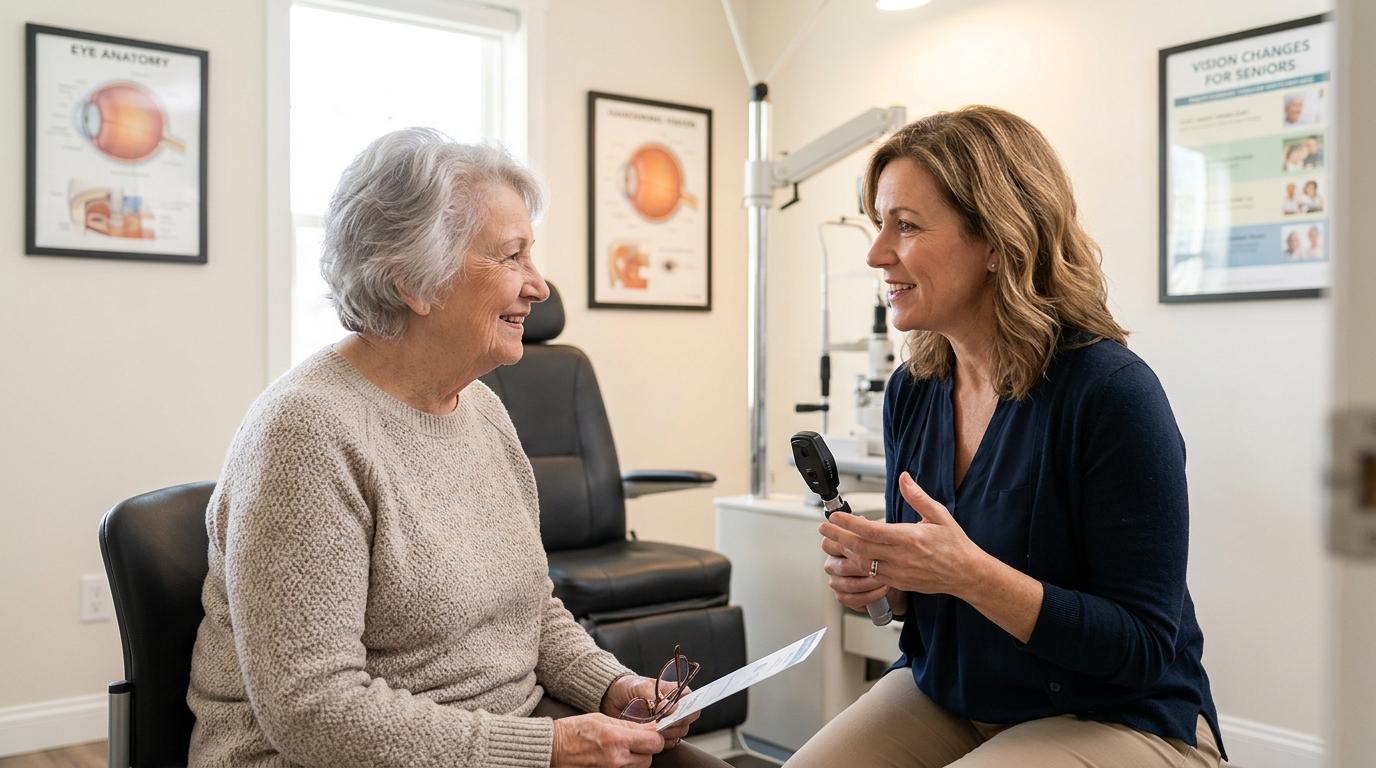
Your vision continues to change as you grow older. Your eye lenses become less flexible over time and lead to an age-related vision condition called presbyopia. This stiffness makes focusing on close objects much harder. You eventually need simple reading glasses to see text. This condition affects your near vision as you age regardless of your previous eye health.
How Cataract Surgery Changes Vision
Many older adults develop cloudy areas in their eyes called cataracts. Doctors can treat this condition by replacing your cloudy natural eye lens with a clear artificial one. The procedure to manage your cataracts can often fix your nearsightedness at the same time. This process helps restore your clear distance vision so you can enjoy your daily activities.
Ways an Eye Doctor in Longview Can Help
Care for Children & Families
Finding a local eye doctor in Longview can help your whole family see better. Children often experience rapid vision changes as they grow. The doctor can provide prescription glasses for your child to use during daily activities. The clinic also offers myopia control with ortho-k for children to slow down their nearsightedness. Regular exams track your child’s eye growth year after year.
Care for Adults & Seniors
Older eyes require a different approach to maintain clear sight. The team can fit you with prescription lenses for your near vision struggles. You can also receive referrals for your vision surgery needs when the time comes. Routine checks monitor your eye health to catch issues early.
Taking care of your eyes helps you enjoy your favorite daily activities with comfort and clarity. Eyecare for East Texas provides a wide variety of services for families and seniors alike. The doctor believes in building relationships to help address your unique vision needs with an emphasis on friendly customer service. You can call Eyecare for East Texas today to schedule an exam and protect your long term eye health.