

Key Takeaways
- Screens, dry air, and contact lens habits can bring on dry eyes fast
- Hormone shifts, diabetes, and some medicines can play a role too
- Allergies and eyelid gland blockage can feel similar to dry eyes but need different care
- Preservative-free drops, warm compresses, and a humidifier can ease mild symptoms
- See an eye doctor in Longview if symptoms stick around, hurt, or affect your vision
One day your eyes feel fine, and the next they sting every time you blink. You rub them, blink a few times, and wonder what changed since yesterday.
The good news is Eye Care for East Texas can help you spot the pattern once you know what to look for. Sudden dry eyes usually come from a mix of daily habits, your surroundings, or changes happening inside your body.
What Dry Eyes Feel Like
Dry eyes don’t always feel the way you’d expect. Instead of just feeling dry, your eyes might water more than usual as they try to make up for the lack of moisture.
- Stinging or burning sensation
- Gritty or scratchy feeling
- Redness and light sensitivity
- Blurry vision that comes and goes
- Watery eyes despite dryness
Everyday Habits Linked to Dry Eyes
Screen Time and Blink Rate
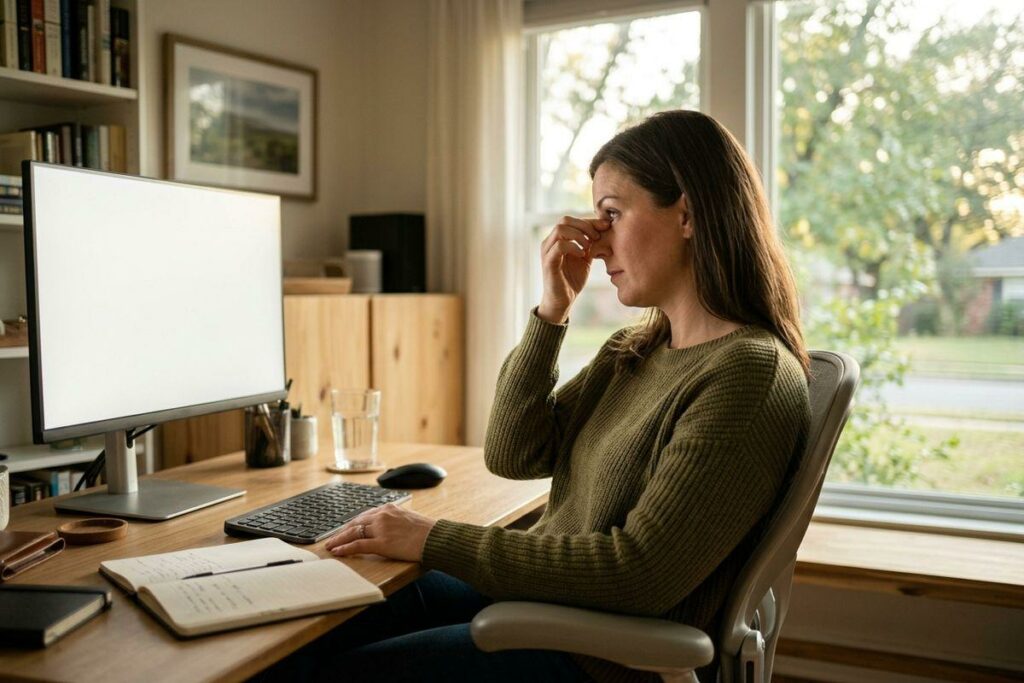
You blink less when you stare at a screen. Fewer blinks mean less moisture spread across your eyes, and that can leave them feeling dry by the end of the workday. The 20-20-20 rule can help. Every 20 minutes, look at something 20 feet away for 20 seconds to give your eyes a break.
Environment and Air Quality
Your surroundings affect your eyes more than you might think. Moisture can disappear from your eyes faster in certain settings, leaving them feeling dry within minutes.
- Wind, smoke, or dry air
- Air conditioning or heaters running indoors
- High altitude or airplane cabins
Contact Lens and Lash Habits
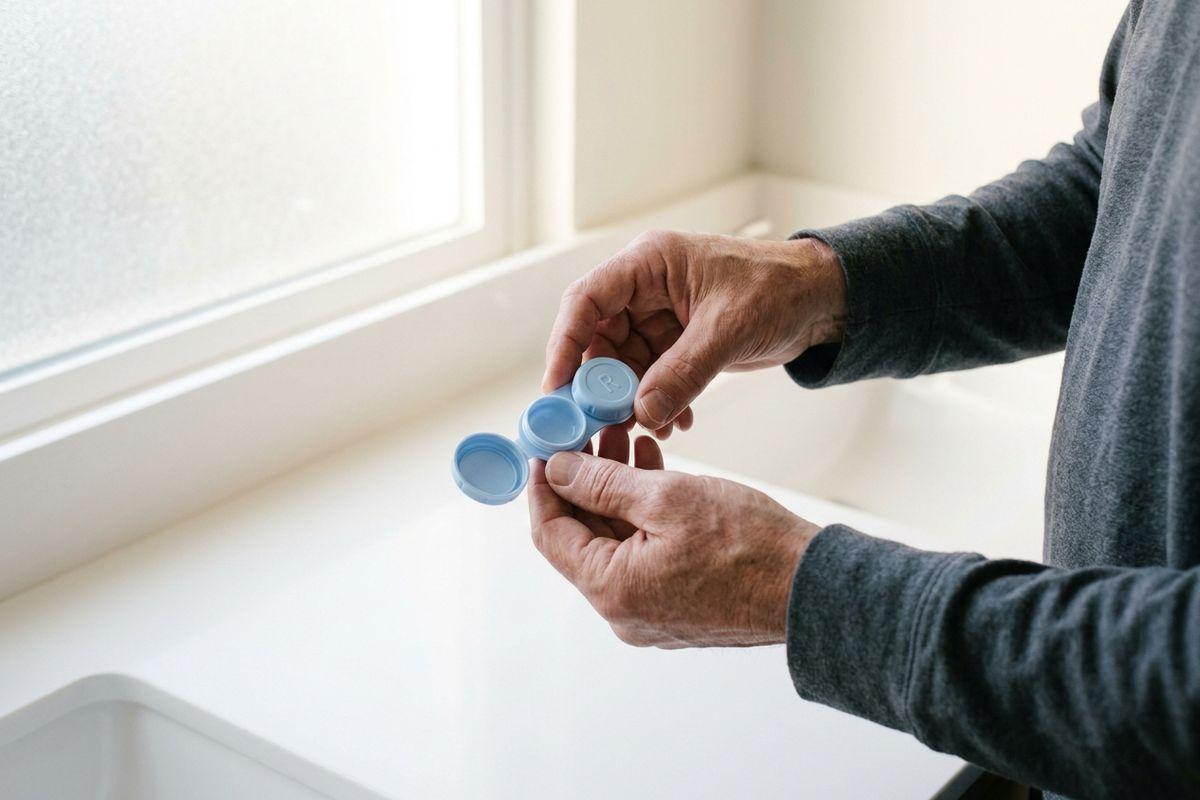
Contact lenses sit right on the surface of your eye, so how you wear them matters. Sleeping in your contacts, wearing extended wear lenses too long, or dealing with buildup can all lead to dryness. Lash extensions and the glue used to apply them can also cause a reaction in some people.
Health Conditions Linked to Sudden Dry Eyes
Hormone Changes
Your hormones affect more than mood and energy. Perimenopause and menopause can shift tear production, and pregnancy or changes to birth control can do the same.
Other Medical Factors
Sometimes dry eyes point to something happening elsewhere in your body. Diabetes can affect tear quality, and autoimmune conditions like Sjogren’s syndrome are associated with dryness as well. Certain medicines, including antihistamines and antidepressants, can also dry out your eyes as a side effect.
When Sudden Dry Eyes Signal Something Else
Not every case of dry, irritated eyes is actually dry eye. Allergies can mimic the same symptoms, from redness to that gritty feeling. Blocked oil glands along your eyelids, a condition called blepharitis, can also lead to similar discomfort. Skipping your eyelid hygiene routine gives these issues more room to develop.
Simple At-Home Relief
A few small changes can bring quick comfort. Preservative-free artificial tears can add moisture without irritating your eyes further. Warm compresses placed over closed eyelids can loosen up blocked oil glands, and a humidifier can help replace moisture that dry indoor air takes away.
Signs You Need an Eye Exam
Home care works for mild, short-term dryness. But some signs mean it’s time to get checked out.
- Symptoms persist or get worse
- Pain or vision changes appear
- Over-the-counter drops don’t help
Come See Us
Eye Care for East Texas can take a look at what’s behind your symptoms and talk through options that fit your daily routine. Schedule an appointment with an eye doctor in Longview to get your eyes back to feeling comfortable.