

Key Takeaways
- Meibomian glands make the oil layer that help keep your tears from drying up too fast
- Clogged glands can cause gritty, red, or watery eyes and blurry vision that clears with blinking
- Warm compresses, eyelid massage, and daily habits can help manage mild clogs at home
- Treatments like TearCare® and intense pulsed light (IPL) therapy can address blockages that don’t respond to home care
- An eye doctor in Longview can build a dry eye treatment plan suited to your eyes
Your eyes feel scratchy by mid-afternoon. You blink hard, and things clear up for a moment, then the grit comes right back. That cycle usually points to something happening along your eyelid edges, not just dry air or too much screen time. Eye Care for East Texas sees this pattern often in patients who assume it’s just seasonal irritation.
Unclogging meibomian glands often involves a mix of warm compresses, gentle eyelid massage, daily habits like the 20-20-20 rule, and in some cases, professional treatments such as TearCare® or intense pulsed light (IPL) therapy. The right approach depends on how long the clog has been building and how your eyes respond to care at home, which is why a proper dry eye treatment plan can help pinpoint what your eyes need.
What Are Meibomian Glands?
Meibomian glands sit along the edges of your eyelids, hidden just behind your lash line. They release an oily layer that sits on top of your tears and slows down evaporation. Without that oil layer, tears dry up faster than they should, and your eyes can feel dry, tired, or irritated by the end of the day. The meibomian glands work as a small but constant part of keeping your eyes comfortable.
Signs Your Meibomian Glands Are Clogged
Clogged glands don’t always announce themselves right away. The symptoms tend to build slowly, and many people brush them off as allergies or screen fatigue. Signs may include:
- Gritty, burning, or scratchy eyes
- Red, swollen, or watery eyes
- Blurry vision that clears with blinking
Common Reasons for Clogged Glands
A few everyday factors can make clogging more likely:
- Age and hormone changes can thicken the oil inside the glands, making it harder to flow out, a pattern also linked to age-related changes in the ocular surface.
- Long stretches of screen time reduce how often you blink, so the oil sits still instead of moving, a habit tied to digital eye strain.
- Contact lens wear and certain medications can also play a role in how well your glands function.
Home Care Steps to Help Unclog Glands

Warm Compress and Massage
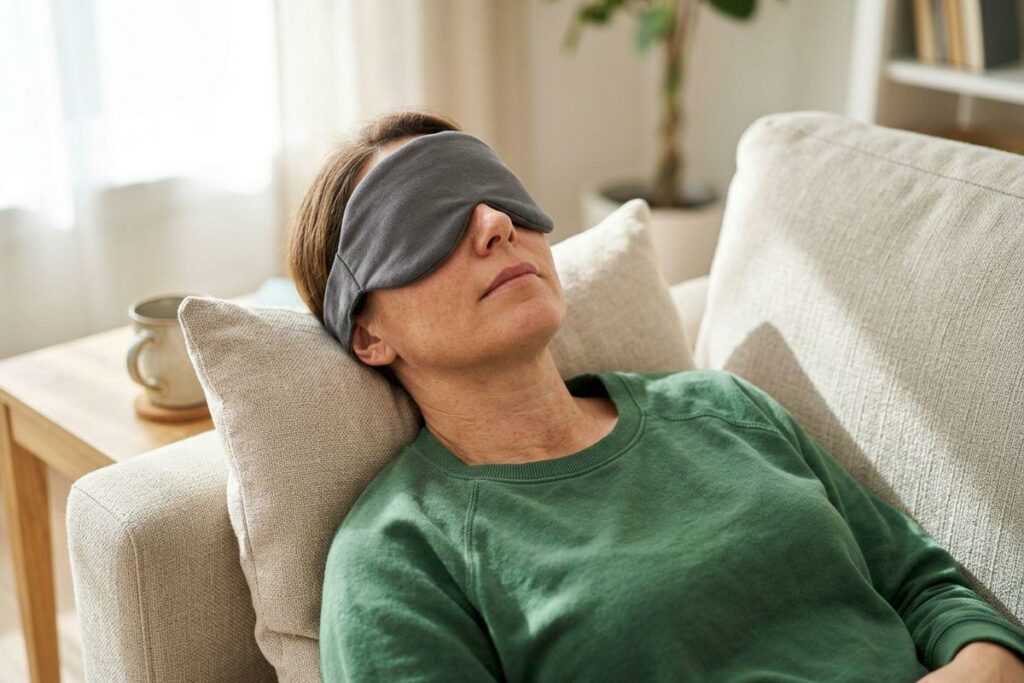
Heat helps soften the oil inside the glands so it can flow more easily. Apply a warm compress to your closed eyelids for 5 to 10 minutes, then follow with a gentle massage along the lid margin. Eye-specific warming masks, the kind designed to hold consistent heat, can make this step easier to fit into your routine, and following proper warm compress techniques keeps the heat at a safe, steady level.
Daily Habits That Help
Small changes add up over time. Try:
- Cleaning your eyelids daily with a mild, eyelid-safe cleanser to keep debris from building up near the gland openings.
- Adding omega-3 foods, like salmon or walnuts, to your meals to support tear quality.
- The 20-20-20 rule, looking at something 20 feet away for 20 seconds every 20 minutes, to give your eyes a chance to blink fully and keep the oil moving.
Professional Treatments for Stubborn Blockages
When home care isn’t enough, a few in-office options can target the blockage more directly, including:
- TearCare® uses targeted heat therapy applied directly to the eyelids
- IPL can help calm inflammation along the eyelid margin
- Manual gland expression by your eye doctor helps clear blockages that heat and massage alone can’t reach
These options are part of the broader medical aesthetics services available for managing dry eye symptoms.
When to See an Eye Doctor in Longview
Some signs mean it’s time to get a professional opinion instead of waiting things out. Symptoms that stick around despite consistent home care are worth a second look. Recurring styes or eyelids that feel crusty in the morning can point to a deeper issue with gland function, and if headaches tag along, it may help to look into how dry eye can cause headaches.
An eye doctor in Longview can look closely at your eyelids and glands, then build a dry eye treatment plan around what your eyes actually need. Eye Care for East Texas offers services ranging from at-home guidance to treatments like TearCare® and IPL, tailored to how your symptoms show up day to day. Reach out to our office to schedule a visit and get a clearer picture of what’s going on with your eyes.