

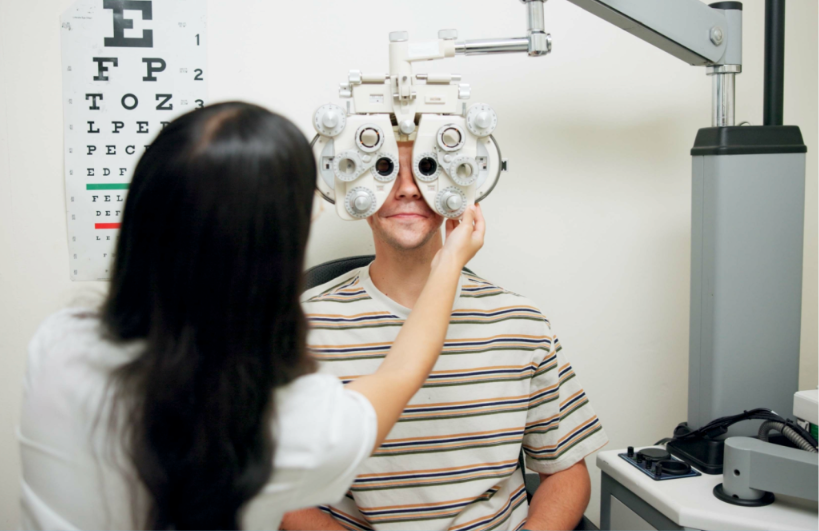
You probably use your eyes for everything, from reading a favorite book to seeing the smiles on the faces of your family and friends. But how often do you think about the health behind your sight? A comprehensive eye exam is more than just a check to see if you need glasses.
An eye exam is an evaluation of your vision and eye health, and it can also offer clues about your overall well-being. It’s a great way to be confident your family has the clear vision they need for school, work, and daily life, which is why at Eye Care for East Texas, we take the time to make sure you feel heard at every step of the process.
More Than a Vision Screening
You may have had a vision screening at school or the DMV—the one where you read letters from a chart. A thorough eye exam goes much further than that. It’s a detailed evaluation of your vision and the intricate parts of your eyes.
What to Expect at Your Exam
An eye exam is a straightforward and comfortable process. We can walk you through each step, making sure you understand what’s happening and why it’s important for your health. Your comfort and confidence are important to us.
A Talk About Your Health and History
We may start with a friendly conversation about your vision and any concerns you may have. We can also discuss your general health and your family’s health history. This conversation helps us get a complete picture of your unique needs.
A Test for Your Vision
This part of the exam includes several tests to see how well your eyes work together (called teaming) and on their own. We can check a few key areas to assess how you see the world.
- Visual acuity: This is the classic eye chart test that checks how clearly you see at various distances.
- Refraction: This test helps determine your precise prescription for glasses or contacts, if needed.
- Eye teaming and focus: We can check how well your eyes work together, focus, and move as a team.
An Evaluation of Your Eye Health
We use specialized tools to look closely at the structures inside and outside your eyes. This allows us to check for early signs of eye conditions. We can sometimes spot potential issues before you notice any symptoms.
Pupil Dilation for a Deeper Look
To get the clearest view of the inside of your eye, we may use special eye drops. This helps us see structures like the retina (the back of your eye) and the optic nerve (which sends signals to your brain). These drops temporarily widen your pupils, but aren’t part of every eye exam.
A dilated eye exam can help with the detection of certain conditions, such as diabetic retinopathy (which affects the back of the eye) and age-related macular degeneration.
Exam Duration
An eye exam typically takes between 30–60 minutes. We take the time needed to be thorough and answer all your questions. We want you to leave feeling informed and cared for.
Why Your Eye Health Matters
Regular eye exams are about more than just getting a new pair of glasses. They are a fundamental part of your family’s healthcare routine. Protecting your vision means looking after your overall health, too.
Spot Problems Early
Many common eye diseases, such as glaucoma (which can damage the optic nerve), have no obvious symptoms in their early stages. An exam can help with early disease diagnosis and management.
A Window to Your Overall Health
Your eyes can show early signs of other health issues, such as high blood pressure and diabetes. An eye exam can help to provide a picture of your health and can sometimes be the first place these conditions are noticed.
Your Recommended Exam Schedule
The right schedule for eye exams depends on your age, health, and risk factors. We can help you determine what works for your family. Here are some general guidelines to consider.
For Kids and Teens
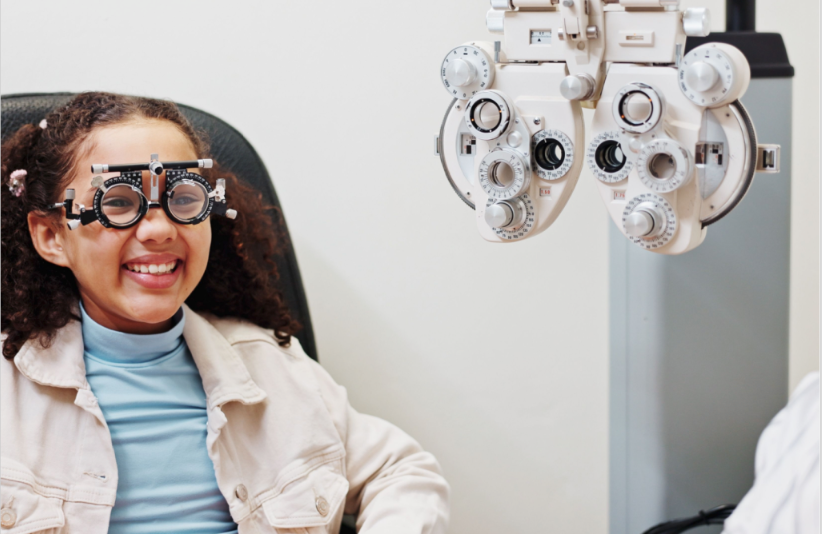
Children can have their first comprehensive eye exam as early as 6–12 months of age, in line with key infant vision development milestones. We recommend another exam between 3–5, and then once a year when they start school. Good vision is important for learning and development.
For Adults and Seniors
Adults should have an exam at least every 2 years, and once a year after age 65. If you wear contacts, have a known eye condition, or have health factors like diabetes, we might recommend a more frequent schedule. We provide specialized diabetic eye exams to closely monitor your eye health.
Schedule Your Exam Before the Year Ends
An annual eye exam is an easy step you can take to protect your family’s health. If you’re looking for an eye doctor in Longview, Texas, to help you see clearly, we are here to support you. We believe in connecting with people and building relationships to address unique vision needs.
At Eye Care for East Texas, we are passionate about providing accessible and encouraging eye care for our community. Give our office a call today to schedule appointments for the entire family.